Table Of Content
This stealthy and painless feeding habit makes them successful parasites. If your treatment does seem to kill the lice, you should check again a week later. Repeat the treatment a week later if you still see signs of the lice or nits. Continuing to get new nits even after you have removed them from your child's hair is also a sign that your child has live lice and needs lice treatment. After that, it only takes about seven days for baby lice (nymphs) to grow into adult lice and start the cycle over again.
When to See a Healthcare Provider
However, lice infestations can also be asymptomatic, especially in early or mild infestations. This might come as a surprise to caregivers who have had their kids sent home from school because of head lice. A diagnosis can be confirmed if a live louse is found crawling on the head, but this can be difficult because lice avoid light and they can crawl quickly. Several products are available over the counter (OTC) for treating head lice. Combing wet hair with a fine-toothed nit comb may remove lice and some nits. Research is inconclusive on the effectiveness of this method.
Head Lice
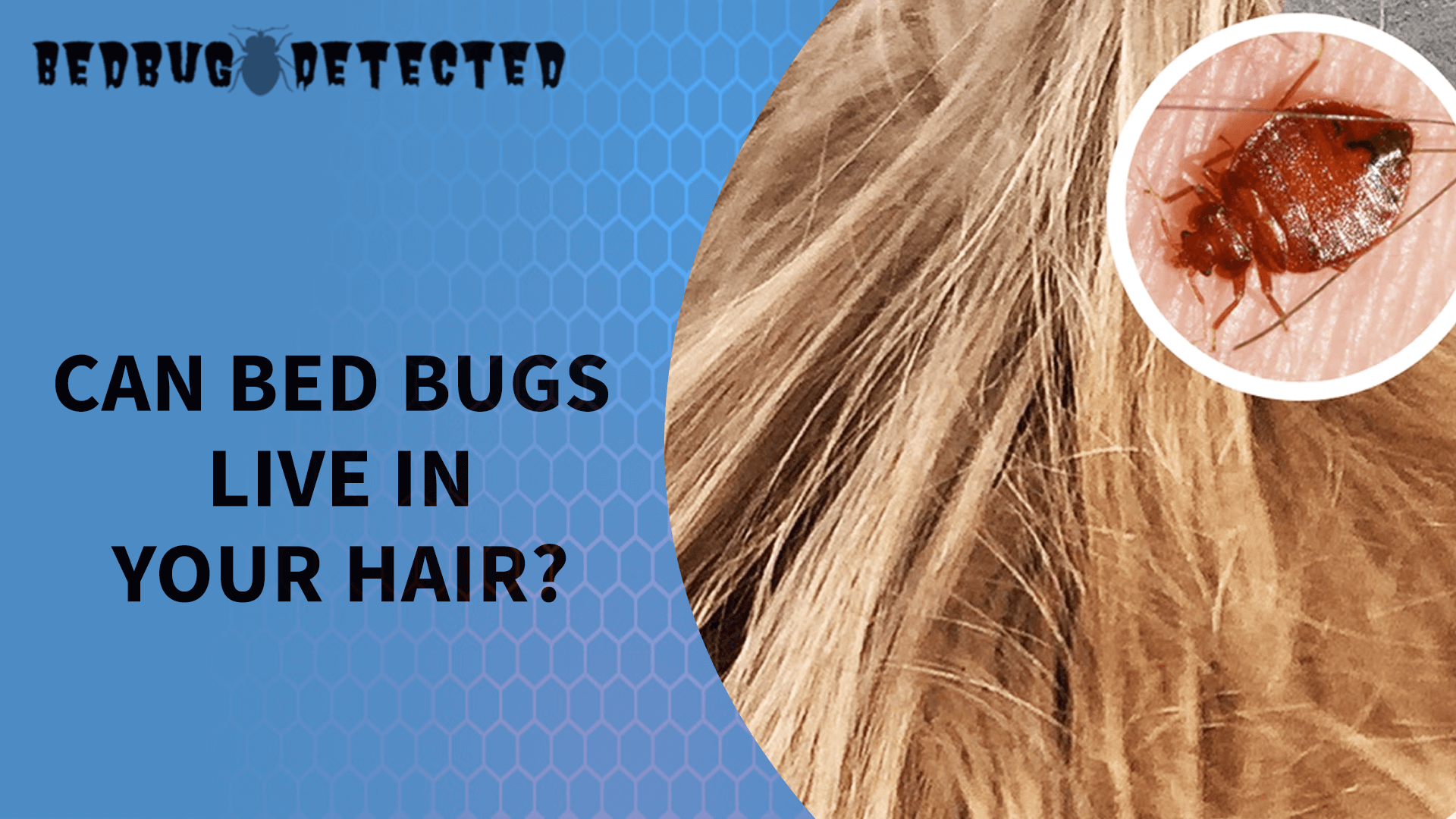
Bed bugs are not ectoparasites (parasites that live on the skin) like lice or ticks, which have evolved to navigate through hair. Instead, they are temporary parasites, meaning they come for a quick meal and then retreat to their safe hiding spots. The science of their feeding and survival strategies just doesn’t support a lifestyle of living in human hair. While anyone can get head lice, they are most common among children ages 3 to 11.
Head Lice Treatment
Every year, 6 to 12 million people in the United States get head lice. It’s important that you read and follow the specific instructions that come with each of the different treatments. You can inspect for visual signs of head lice in a well-lit area using a magnifying glass, medical gloves, and a tongue depressor or pencil to move sections of hair. Lice are readily transmitted by close contact in daycare and schools. An estimated 12 million children contract in the United States each year. The texture, color, and thickness of your child's hair can also make it harder to spot lice.
A single application is enough for most patients, but it should be reapplied in 7 to 9 days if live lice are still seen. Data show that head lice can survive under water for several hours but are unlikely to be spread by the water in a swimming pool. Head lice have been seen to hold tightly to human hair and not let go when submerged under water. Chlorine levels found in pool water do not kill head lice. Head lice are spread most commonly by direct contact with the hair of an infested person. Spread by contact with inanimate objects and personal belongings may occur but is very uncommon.
Book Review: Bugs in My Hair Kids VT - Seven Days
Book Review: Bugs in My Hair Kids VT.
Posted: Tue, 02 Feb 2016 08:00:00 GMT [source]
If you have recurrent head lice, repeat the treatment, being as thorough as possible for the duration. If you're frustrated or overwhelmed, you might want to consult with a healthcare provider. If the medicine seems to be working, wait a few days to wash your hair, and keep combing each day for a couple of weeks to ensure you remove all of the lice. You may need to treat again in a week to kill surviving lice that hatched after the first round of treatment. Many over-the-counter (OTC) lice treatments are available at drugstores. These do not require a prescription, but you should use care since they are pesticides, meaning they kill bugs.
If your pet has fleas, you may be more likely to have fleas on your body, but they often don’t survive for long. You can also kill fleas on your body by taking a hot shower with plenty of soap. Female bedbugs lay hundreds of eggs, extending their population quickly and efficiently. Bedbug nymphs require human feasting prior to each skin shedding and they’ll shed their skin five times before reaching full maturity. If you feel tired all the time, you have a headache, fever or body aches, or you develop a rash after a bug bite, see a board-certified dermatologist immediately. However, sometimes a bug bite or sting could turn into something serious – particularly if you have been bitten or stung by many insects at the same time.
Dandruff
Scabies mites can be transmitted through prolonged skin-to-skin contact with a person who has them. Bedbugs aren’t adapted to clinging to your hair follicles. They would likely get washed out of your hair while you bathe. However, it's not realistic to expect that you and your child can avoid all contact that may cause the spread of lice. Demodicosis will be diagnosed if there is a high level of mites in the follicles in addition to skin symptoms.
It could take up to three weeks to get rid of all lice and nits. Head lice can affect anyone but occur most often among children between the ages of 3 to 11 years old, along with their families. Children are more at risk, as they make head-to-head contact with other children when playing together and may share items that have contact with their hair. Finding bugs in your hair can be unsettling, but it’s unlikely to significantly impact your overall health. Taking a hot shower with shampoo can help wash away bugs that may have wandered into your hair but aren’t adapted to live there. Like with your hair, bedbugs likely won’t live long on your skin.
Symptoms of head lice can create disturbances in your sleep pattern and cause excessive itching and discomfort. Treat head lice at the first sign with over-the-counter medicated shampoo, lotion or cream and follow the instructions to make sure it’s effective. If you notice your head lice get worse and don’t go away with over-the-counter treatment, talk with your healthcare provider about stronger prescription treatment. Children who have head lice don’t have to stay home from school. But as head lice spread from close contact, it’s important to tell the school, daycare center or your child’s babysitter if your child has head lice.
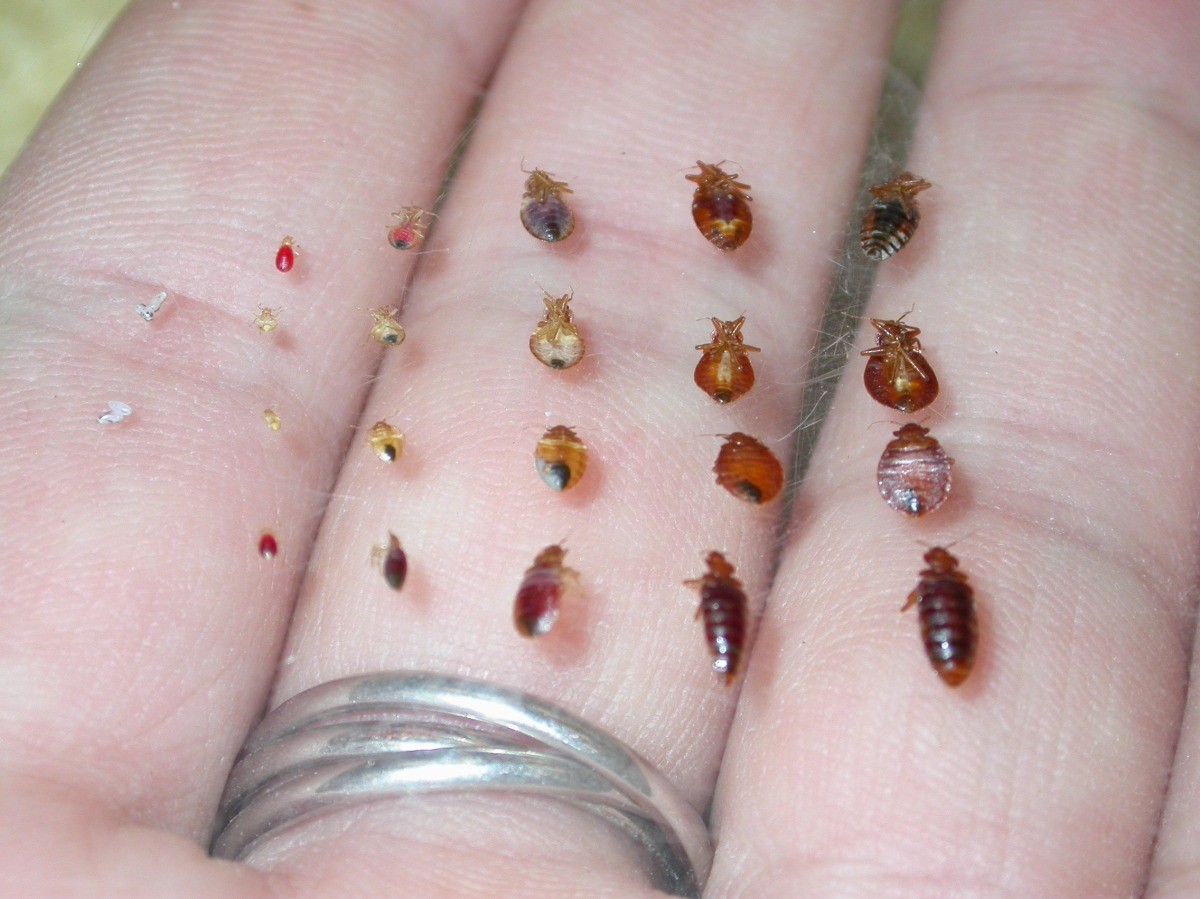
Bedbugs are small insects roughly the size of Lincoln’s head on a penny. It’s also possible to mistake a scalp condition, like dandruff or psoriasis, for lice. If you’re not sure why you have an itchy scalp, try taking a close look with a flashlight and magnifying glass. If you still can’t tell, a doctor can offer more guidance. You may also notice small, oval eggs (nits) on hair strands near your scalp. You can see lice with your naked eye, but they’re often easier to spot when you have wet hair.
Nits are small white or yellowish-white specks that are usually found close to the scalp, around and behind the ears, and at the nape of the neck. If a person in the family has lice, treat them and other family members for lice. People with dandruff can try to identify triggers, such as cold or dry air.
It is closely related to Demodex folliculorum, another type of mite. Botflies, unlike lice, aren’t satisfied with just surface operations where the ultimate goal is to survive on human or animal blood. In order for botflies to reproduce, they have to burrow underneath the outer layer of the epidermis (skin), where they are comfortable laying their eggs. When dealing with a stressful bed bug infestation, it’s easy to worry about every possible place these bugs could be hiding, including our hair. But understanding bed bug biology and behavior can put some of these fears to rest.


No comments:
Post a Comment